
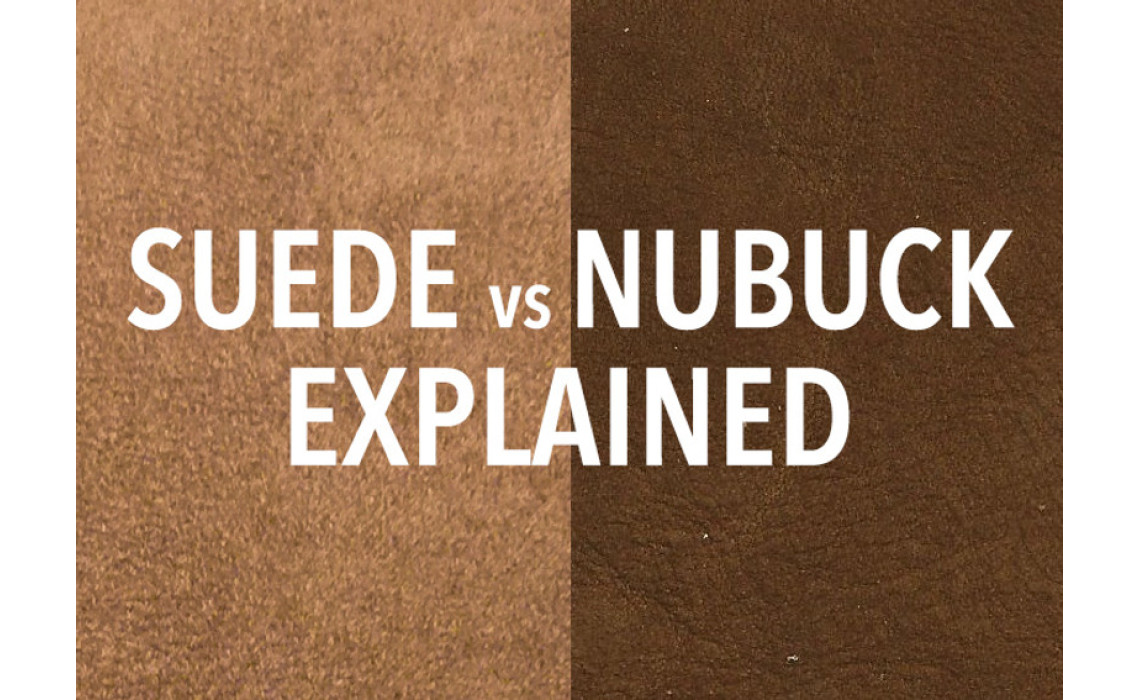
Difference Between Suede And Nubuck
When it comes to leather finishes, suede and nubuck are two favorites that tend to get mixed up. At first glance, they appear to be the same — both soft, velvety, and luxurious — but dig a little deeper and you’ll discover differences that will inform the durability, care, appearance, and end use of both. Whether you’re shopping for new shoes, bags, jackets, or even furniture, knowing the difference between suede and nubuck can help you make smarter purchasing decisions.
What is Suede?
Suede is created from the underside of the animal skin. This split side of the leather is then sanded and buffed to enhance the soft, nappy feeling. Since it is cut from a side of leather with the outside removed, it’s a softer, more pliable leather and a great option for clothing and accessories that require some bending and movement.
Suede is usually made from the skin of lamb, goat, calf, or deer. It's got a soft hand and a matte surface — that’s why it's perfect for a casual-cool item, like a loafer or a jacket or a handbag. But its softness is also a downside: it is more porous and less durable than other types of leather.
Key Characteristics of Suede:
Constructed of the underpart of the hide (flesh side)
Softer and more flexible
It is a napped finish, which means, it has the little fuzzy feel to it
More likely to leave stains and water stains
Often more affordable than nubuck
What is nubuck?
Nubuck, conversely, is manufactured from the outer side of the animal skin and not the inner side, known as the grain. It is the same side that is used in full-grain leather. It is either sanded or lightly buffed to a velvet-like texture while maintaining the strength of the grain surface.
For this reason, nubuck is stronger and more durable than suede. It also tends to have a finer, more luxurious nap, which is often called smoother and more even. Nubuck is a material that you’ll find featured in high-quality boots, upholstery, and accessories that are meant to last.
Notable Features of Nubuck:
Stronger and more durable
Silky but not as soft as suede
More resistance to abrasion and oxidation.
Suede is typically less expensive than full grain leather
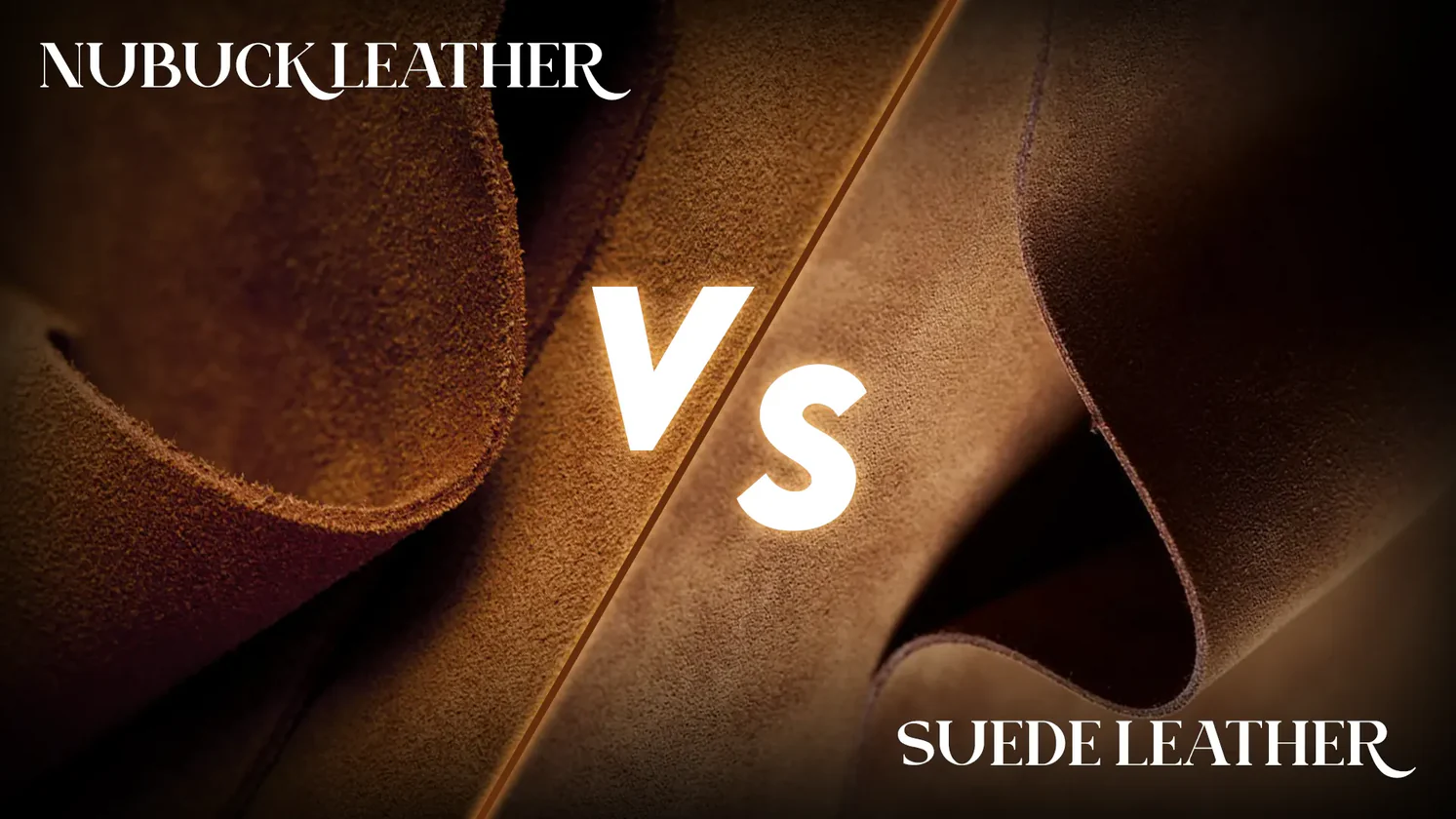
The Look and Feel: Side by Side
Nubuck Like suede, nubuck is velvety soft and it has a finer but more fragile texture than suede. has a fuzzier or more visibly napped look, which is more relaxed and almost vintage. Nubuck also tends to be just a bit firmer and often looks more uniform.
Since nubuck is a product of the tougher outer skin, it retains some of the natural grain of the leather. This small touch makes it look higher quality, which is something usually found in higher-end products.
Durability and Strength:
Nubuck is definitely more durable as a leather. Because it’s cut from the grain side, it also maintains a lot of the hide’s original strength and structure. It withstands more beating and survives longer if properly maintained.
It is also delicate and is prone to scratches and staining and absorbs water. It’s greatest for those occasional or lightweight use pieces — the fashion-forward shoe, the statement accessory.
Maintenance and Care:
Suede and nubuck both need to be cared for specially, although nubuck tends to have an easier upkeep over time.
Caring for Suede:
Help the nap back up with a suede brush, which can also be used to brush off dust and dirt.
Never water — the moisture will stain and harden suede.
Spray with a suede protector to help repel stains.
Keep in a cool, dark location, not in the sun.
Caring for Nubuck:
Wipe the surface with a nubuck cloth or use a brush.
This will repel water better and you can now apply a nubuck protector.
Finally, erase small marks with a nubuck eraser by rubbing lightly.
And just like suede, don’t get it too wet.
Price Comparison:
It’s more expensive than suede because of where and how it’s sourced and its longevity. Both the preparation of the grain side and the strength of the hide make nubuck superior to suede. Suede is sumptuous in itself but also easier to obtain and more budget-friendly, and that's why you'll see it more often in fast fashion as well as casual wear.
Best Uses for Each
Suede is ideal for:
Light jackets and coats
Casual and fashion footwear
Handbags and pouches
Soft, flexible garments
Nubuck is ideal for:
totten, work boots, All I need is a boot knife now… ;-] Boots, boots, and a few more boots!
High-end handbags and wallets
Upholstered furniture
Structured jackets and coats
Sustainability and Ethics:
Both suede and nubuck derive from animal hides, so they’re not vegan-friendly. But then they’re by-products of the meat industry, which some may argue is a more sustainable choice than synthetic leathers made from plastics. If you're shopping, opt for ones that are made with environmentally responsible tanning techniques and ethical sourcing to minimize environmental damage.
FAQs About Suede and Nubuck:
1. Is nubuck better than suede?
It depends on your needs. Nubuck, with its fine texture, is a little more rough and tough, and therefore perfect for items that are meant to last, such as boots and bags. However, suede is softer and more pliable, so it works well for everyday wear and more lightweight pieces.
2. Is it possible to waterproof suede or nubuck?
Both are inherently porous and do not resist water. But you can use protective sprays special for suede or nubuck, which increase the shoes resistance to water. Always try in an inconspicuous spot first.
3. Can suede and nubuck be cleaned at home?
Yes, but you have to have the right tools. Apply with a suede or nubuck brush, never soap or water. Professional cleaning is recommended for difficult stains to prevent damage.
4. What makes nubuck more expensive than suede?
Nubuck is constructed from the top grain of the hide, so it is more durable and the leather’s natural grain and strength are more likely to be preserved. It also takes more handling, which raises its cost.
5. How do you distinguish between suede and nubuck?
Feel and appearance are key. Suede has a fuzzier, softer appearance and a looser texture. Nubuck feels more buttery, has a tad bit more rigidity, and usually has a finer matte feel.
Final Thoughts:
The difference between suede and nubuck boils down to more than just texture — it’s about durability, maintenance, and what kind of leather is best for the way you live. Suede is soft and natural with a lovely casual appeal, while nubuck is strong and elegant. Make your decision based on how you will be using the item and how much care you want to put into it. Either one or both have classic style in leather.


-Aviator-Jackets-60x76.jpg "Top Gun 2 Maverick Tom Cruise Aviator Jacket")
-Aviator-Jacket-60x76.jpg "Top Gun 2 Maverick Tom Cruise Aviator Jacket")


