
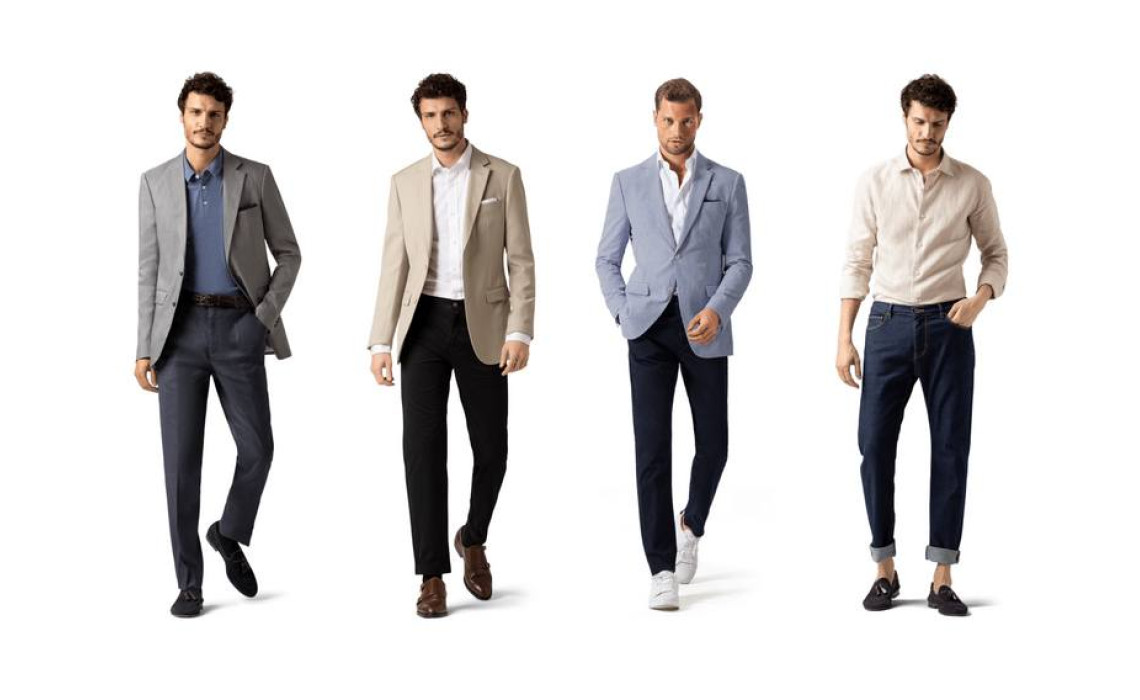
Smart Ways to Dress Professionally: Business Casual Dress Code
Now in the 21st century, “business casual” has become the holy grail of professional dress codes. Finding the perfect level of polish while still dressing comfortably in business casual can be tough; however, when you don’t know what you’re doing, you can end up with some common business casual mistakes. With a few handy hints and style hacks, you can develop a wardrobe that says confidence and professionalism—and a bit of personal style—and free yourself from the stuffy confines of a full-blown suit and tie.
Understanding Business Casual:
But before you can dig into them, you have to know what business casual really means. From industry to industry and office to office, there’s some variation, but the average version of business casual is somewhere between formal (with a twist) business attire and really casual or completely informal attire. Think professional, not stuffy. The mission is to appear neat and capable yet relaxed and personable.
The Smart Wardrobe Staples Every Man Needs:
1. Button-Down Shirts
Kick things off with a wardrobe of sharp, collared shirts in neutral or muted colors. Light blue, white, gray, and faint stripes or checks are neutral choices. A long-sleeve shirt is slightly dressier than a short-sleeve shirt, though you make your way to a more casual vibe by rolling the sleeves up.
2. Chinos and Slacks
Replace your jeans with chinos or tailored trousers in traditional colors such as navy, beige, charcoal, and olive. These pants are so easy to match with many shirts or sweaters.
3. Blazers and Sweaters
Throwing on a blazer will add a formality to your outfit instantly. Opt for unstructured blazers in cotton or wool blends for a softer, more relaxed feel. A crewneck or V-neck sweater worn over a button-down is also a smart look, especially in the cooler months.
4. Loafers or Brogues
Shoes make or break your look. Skip athletic sneakers, unless your office happens to be super casual. Leather loafers, brogues, or snazzy derbies in black, brown, or burgundy are always a safe bet.
Smart and Stylish Wardrobe Essentials for Women:
1. Blouses and Knit Tops
Opt for tailored blouses, light sweaters, or simple tops with no to barely any patterns. Gentle materials, such as silk, crepe, and jersey, feel comfortable and smooth against the skin. Just avoid anything overly tight or revealing.
2. Pants That Fit and Skirts That Hit at the Middle of the Leg
Choose slim- or wide-leg trousers in neutral shades. Midi skirts, pencil skirts, and yes, pleated ones, can look great at the office as part of a business casual dress code, too. The hemline should be office-appropriate, ideally just below the knee.
3. Tailored Blazers and Cardigans
Blazers can make nearly any outfit feel more polished, and cardigans are a cozier option to layer into the mix. Opt for neutral or pastel colors that you can easily mix and match with your tops and bottoms.
4. Closed-Toe Flats or Low Heels
Comfortable yet chic footwear in the shape of ballet flats, loafers, kitten heels, or block heels is perfect. Do not wear open-back shoes (like flip-flops) nor overly embellished sandals.
Seasonal Adaptations:

Spring & Summer
Opt for lighter materials such as cotton, blends of linen, or knits that breathe. Short-sleeve collared shirts or blouses with chinos or knee-length skirts are good choices. Choose lighter, airier colors like white, light gray, pale blue, and beige.
Fall & Winter
Bundle up in woolen sweaters, blazers, and scarves. Deep hues such as burgundy, forest green, navy, and charcoal give the shirt a seasonal feel. You may also want to check out textured materials, such as tweed or corduroy, for some variety.
Tips for Mixing and Matching:
Only Buy Outfits That Work Well Together Stick to a color palette Consider a calendar: Pick a few core colors that look good on you and build a wardrobe that revolves around them. It’s similar to matching up pieces of a puzzle — so mixing and matching is a breeze.
Invest in Quality Basics: Good quality basics are more expensive to purchase at first but they will last longer and still maintain their look after lots of washes.
Use the Right Accessories: The right belts, watches, and subtle jewelry can really add that extra layer to your look. Keep accessories simple and elegant.
Fit Take a stick to it: nobody looks good in ill-fitting clothes, not even if we paid a million bucks for it. Sometimes a little tailoring can go a long way.
Skip Logos and Graphics: Unless your job is super creative, you should probably avoid graphic tees and items that are rife with branding.
Looking Great in Business Casual from Home:
For those of you who work from home, business casual still holds—at least from the waist up. Try a smart top, cardigan, or even a blazer for video calls. It’s easier to stay in a work mindset when you don’t look like you’ve given up and been hanging on the couch all day. Click here to buy. It Keeps You Camera-Ready Though it’s not the most fun thing to have a surprise meeting and look not-so-profesh.
Common Mistakes to Avoid:
Denim That’s Too Casual: Some companies do give the green light to dark, well-fitting jeans, but avoid anything distressed or light-wash.
Too Much Fragrance or Makeup: Moderation is key in a professional environment.
Wrinkled or Stained Clothing: Never wear anything that is soiled and disheveled.
Hauling Company Culture, or Lack Thereof: Observe what people wear in your office, and mimic that.
Conclusion
Finding that perfect fashion sweet spot between too large and too small; too frumpy and too on-trend; not tailored enough and too tailored is a constant struggle for any (shannapants-wearing) professional. With the right basics, a touch of coordination, and an attention to fit, you can develop a wardrobe that conforms to professional norms without sacrificing your identity. It’s not just about looking good but feeling great and ready to face your day.
From the corporate office to the creative studio to a remote setup, professional attire can be stylish, comfortable, and communicate who you are.
FAQs
Q: Can you wear jeans in business casual?
A: It depends on where you work. Some more casual places might even be cool with a pair of dark wash or black jeans with no rips. Be sure always to check on your company’s dress code.
Q: Are trainers acceptable for business casual?
A: For a casual work environment, minimalist leather or suede sneakers could be acceptable, but athletic sneakers are typically too casual. When in doubt, choose loafers or flats.
Q: What is the difference between business casual and smart casual?
A: Business casual tends to be a bit more formal, usually requiring a collared shirt or blouse, slacks, and closed-toed shoes. It's about being comfortable yet stylish; there's no such thing as 'too casual' when you're smart casual.
Q: Are women allowed to wear dresses in business casual?
A: Absolutely. The only guideline is that the dress be modest, at or below the knee, and not have a gaudy print or too-tight fit.
Q: Can I wear bright colors or patterns?
A: Yes, but moderately. A splash of color or a funky pattern can be just fine, but pair them with neutrals so that your outfit stays work-appropriate.


-Aviator-Jackets-60x76.jpg "Top Gun 2 Maverick Tom Cruise Aviator Jacket")
-Aviator-Jacket-60x76.jpg "Top Gun 2 Maverick Tom Cruise Aviator Jacket")


